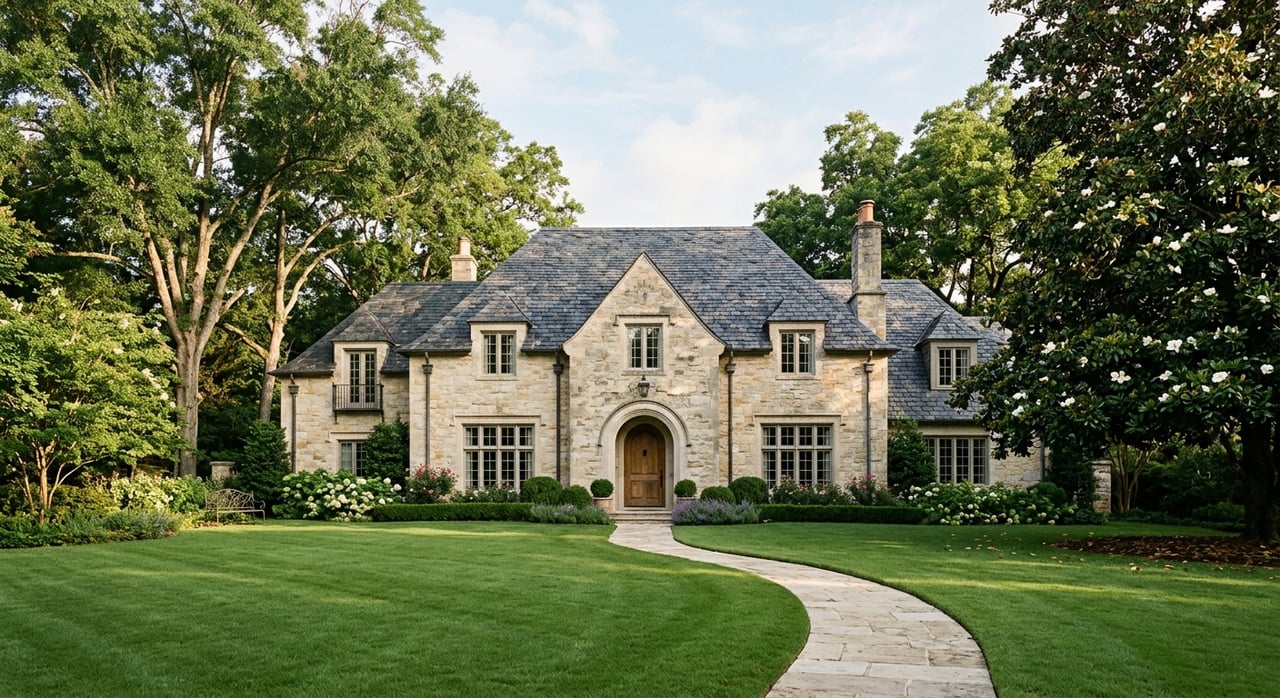
What makes a neighborhood feel timeless? In Ansley Park, the answer is not just the homes or just the parks. It is the way architecture and green space were planned together from the start, creating a setting that still feels distinctive today. If you are exploring intown Atlanta and want to understand what sets this historic neighborhood apart, this guide will walk you through the design, landscape, and daily experience that define Ansley Park. Let’s dive in.
Why Ansley Park Stands Out
Ansley Park is one of Atlanta’s classic intown historic neighborhoods and is listed as a National Register historic district. It sits just east of Midtown and west of Piedmont Park, placing it in a location where historic residential character and city access meet.
What makes the neighborhood especially notable is its original planning concept. City planning materials describe Ansley Park as a unique planned development built around curving streets and an open-space network, and a recent city conservation study frames it as an extension of Piedmont Park. That park-first identity is not a marketing phrase. It is part of the neighborhood’s physical layout.
How the Original Plan Shaped the Neighborhood
Ansley Park developed in four phases between 1904 and 1913 and was substantially complete by 1930. The historic district nomination describes the area as roughly 275 acres with about 600 houses, along with several apartment buildings and a church.
Unlike many early neighborhoods that tried to force a rigid street grid onto the land, Ansley Park followed the terrain. Primary streets were designed to be wider and more gently graded, while smaller streets curve more tightly and rise or fall with the natural topography. That decision helped create a more graceful, park-like feel from block to block.
The neighborhood also preserved hilltops, valley bottoms, and steep areas as parks and greenswards. Instead of treating those spaces as obstacles, the plan turned them into assets. The result is a setting where open land and residential streets feel connected rather than separate.
A Landscape-Led Street Pattern
One of the most interesting details in Ansley Park is how the streets, lots, and green areas work together visually. Historic documentation notes that the adjoining lots and streets blend into a continuous park-like setting. That means the experience of moving through the neighborhood feels shaped by landscape as much as by architecture.
This planning approach still matters today. It helps explain why Ansley Park feels softer, greener, and more scenic than a typical urban neighborhood, even though it sits close to Midtown and other major intown destinations.
Early Planning With Long-Term Vision
Another practical feature of the original design was the use of alleys and rear lanes. Historic records note that these helped hide garages from street view. That allowed the neighborhood to adapt to the automobile era while preserving the character of its early twentieth-century streetscapes.
For buyers who value design integrity, this is an important point. Ansley Park was not only beautiful in concept. It was also planned with enough flexibility to evolve without losing its essential form.
Architecture in Ansley Park
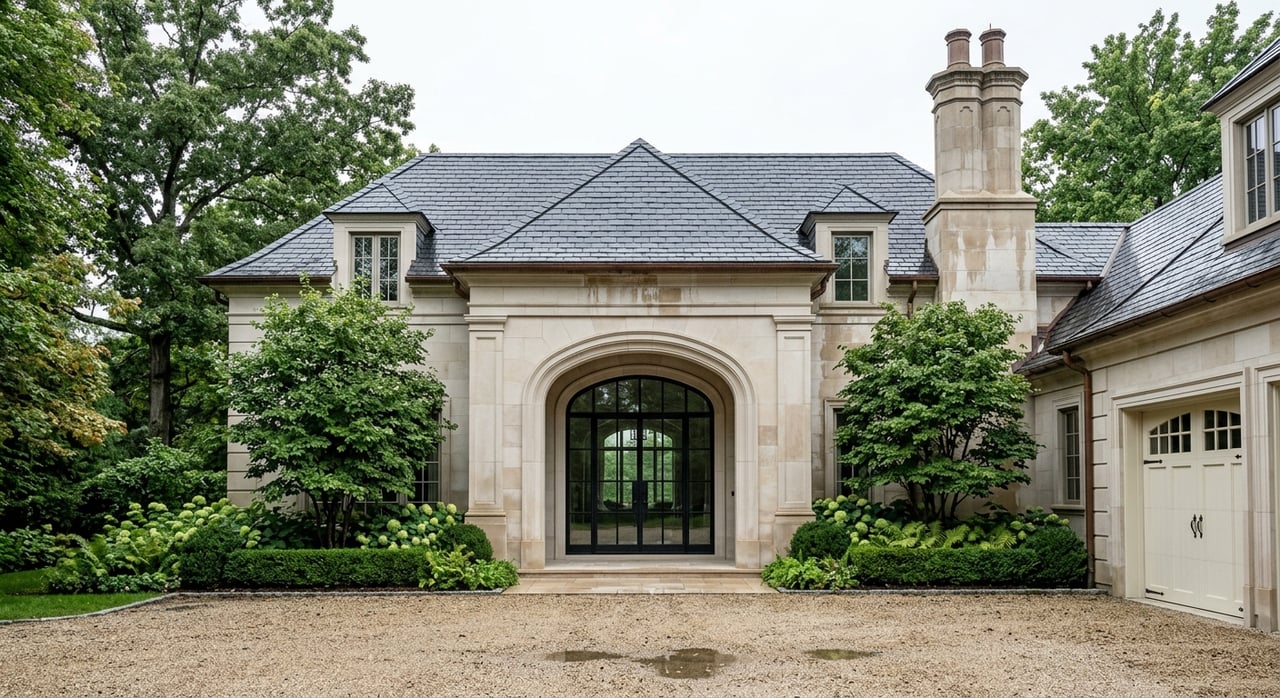
If you expect a single architectural style, Ansley Park will surprise you. The neighborhood is known for variety rather than uniformity, with a broad range of early twentieth-century eclectic and period styles represented throughout the district.
According to the historic district nomination, styles found in Ansley Park include Colonial Revival, Federal Revival, Craftsman, Tudor, English half-timbered, Prairie-influenced, Neo-Classical, Italian Renaissance eclectic, Italian Villa, Jacobethan, and Beaux-Arts Renaissance eclectic. That range gives the neighborhood visual depth and keeps the streetscape interesting.
Notable Design Lineage
Ansley Park is also associated with several significant architects. Historic documentation identifies names such as Walter T. Downing, Neel Reid, Philip T. Shutze, Anthony Ten Eyck Brown, and Henry Hornbostel. More recent city study material also notes Leila Ross Wilburn.
For design-aware buyers and sellers, that architectural lineage adds another layer of meaning. It shows that Ansley Park is not simply old. It reflects a serious tradition of residential design and craftsmanship that still influences how the neighborhood is perceived today.
Variety You Can See on the Street
The district nomination points to specific examples that reflect this mix of styles. These include an Italian Renaissance eclectic house at 1 Peachtree Circle, a late Colonial and Federal Revival house at 186 Fifteenth Street, a Prairie-influenced house at 68 Peachtree Circle, and Tudor or English half-timbered homes in other parts of the district.
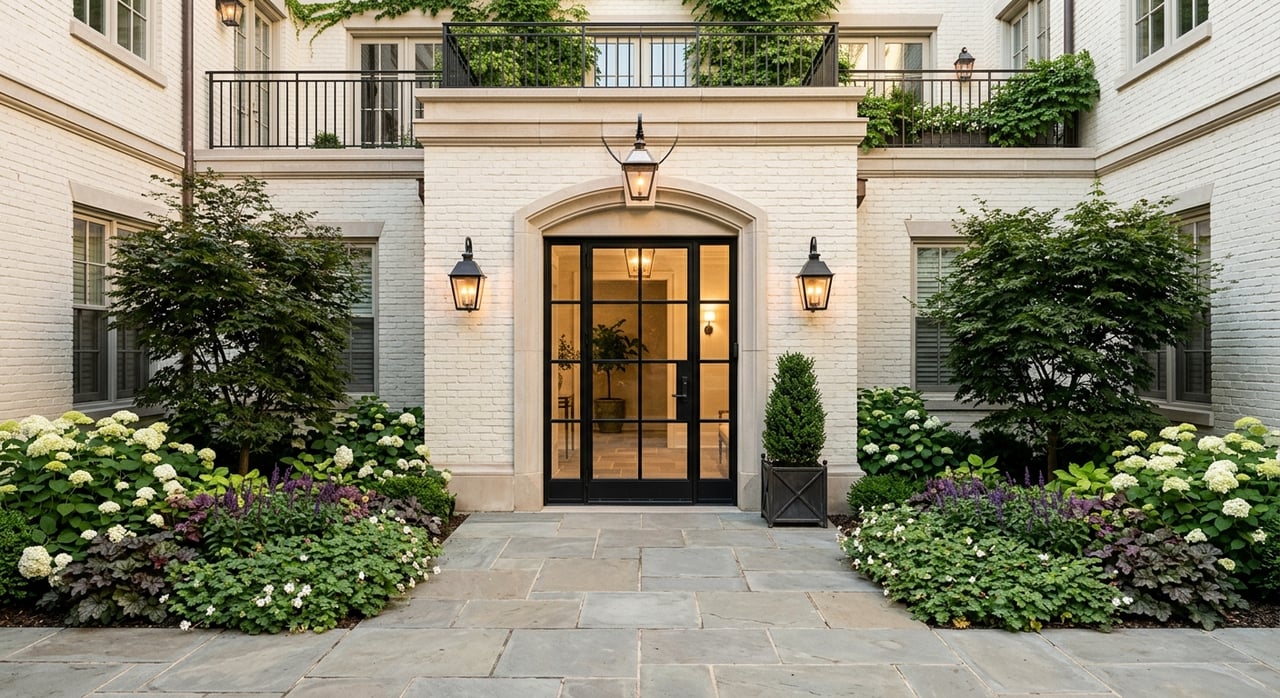
The neighborhood also includes Craftsman bungalows, especially in its north and east sections. That stylistic range helps Ansley Park feel layered and collected rather than repetitive. For many buyers, that architectural diversity is part of the appeal.
Older Fabric Was Not Erased
A detail from the current city study adds even more character to the story. It notes that an 1880s house at 244 Peachtree Circle NE was incorporated into the 1904 neighborhood plan.
That matters because it shows the area did not develop by wiping everything away and starting from scratch. Instead, Ansley Park absorbed older built fabric into its growth, which contributes to the sense of historical continuity still visible today.
Green Space Is Central to Ansley Park
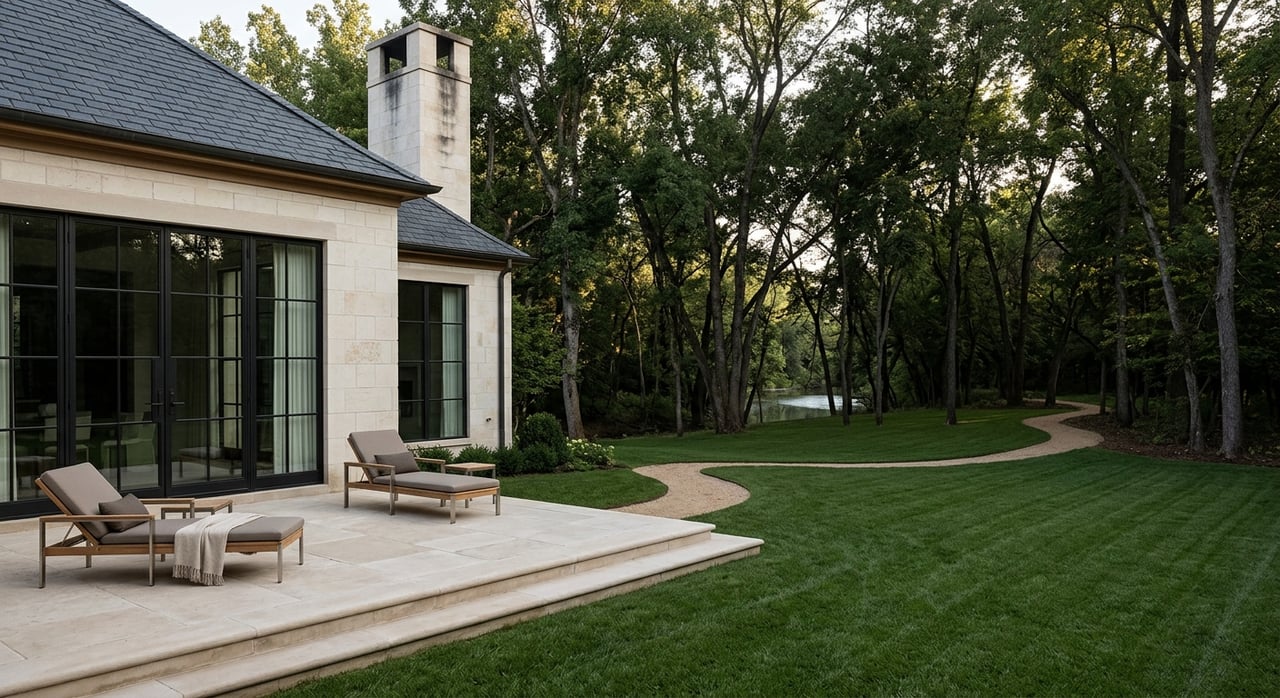
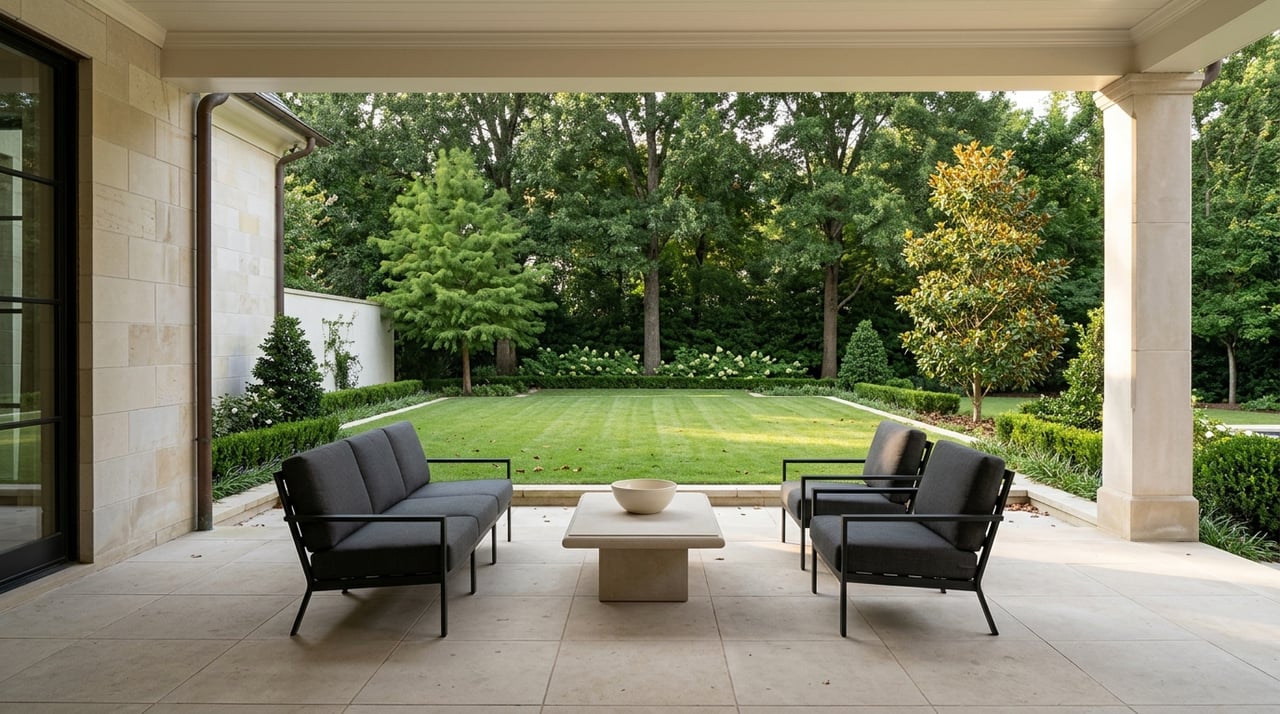
In many neighborhoods, parks are amenities added around the edges. In Ansley Park, green space is part of the neighborhood’s structure. Historic documentation says the principal parks and greenswards were laid out so homes would be close to open space, reinforcing the idea that landscape was built into daily life.
The two principal parks identified in the historic record are Winn Park to the south and McClatchy Park to the northeast. Current City of Atlanta records confirm the continued presence of this park network in the neighborhood.
Key Parks in the Neighborhood
The City of Atlanta parks inventory lists:
- Winn Park as a 10.3-acre neighborhood park at Westminster Drive NE and Lafayette Drive NE
- Ansley Park as a 6.11-acre neighborhood park at Maddox Drive and East Park Lane NE
- McClatchey Park on the city playground list at Avery Drive and Westminster Drive NE
It is worth noting that historic district documentation uses the spelling McClatchy, while current city records use McClatchey. The difference appears to reflect historic versus current naming records.
A Park-Like Setting, Not Just Park Access
The deeper story is not simply that Ansley Park has parks nearby. It is that the neighborhood was shaped to feel like an extension of those open spaces. Historic records describe a continuous park-like setting created by streets, greenswards, and lots working together.
That is one reason Ansley Park leaves such a strong impression. The landscape is not background scenery. It is part of the neighborhood’s identity and one of the key reasons its residential environment feels so distinct.
Walkability and Green Connectivity Today
Ansley Park’s planning legacy is still active in current city thinking. The 2025 conservation study includes proposed sidewalk extensions, new crosswalks, a rapid-flashing-beacon crossing at Westminster Drive NE and Piedmont Avenue NE, and protection of greenspace along The Prado and Winn Park.
This is important because it shows the neighborhood’s walkability and open-space character are still being managed as living features. The goal is not just to preserve history in place, but to support how people move through and experience the area today.
Piedmont Park, Golf, and Trail Access
Ansley Park’s broader setting adds to that experience. The historic nomination notes that Piedmont Park, the Piedmont Driving Club, and the Ansley Park Golf Club were major reasons the original development attracted buyers.
That relationship remains visible today. Ansley Golf Club identifies its 9-hole course as being in the Ansley Park area of Midtown Atlanta, and Piedmont Driving Club’s main clubhouse is located at 1215 Piedmont Avenue NE, between Piedmont Park and the Atlanta Botanical Garden.
The Atlanta BeltLine adds another layer of access. The BeltLine’s Northeast Trail runs through Ansley Park, passes Ansley Golf Club and Ansley Mall, and continues along the eastern edge of Piedmont Park. A 2021 BeltLine release also stated that the segment in Ansley Park could be accessed via a ramp connection from Montgomery Ferry Road.
What This Means for Buyers and Sellers
For buyers, Ansley Park offers more than a prestigious intown address. It offers a neighborhood where site planning, architecture, and open space still shape the living experience in a meaningful way. If you are drawn to homes with design pedigree and a setting that feels both urban and green, Ansley Park stands apart.
For sellers, the neighborhood’s value story often goes beyond square footage or finish level. The appeal is also rooted in the district’s architectural variety, historical significance, and landscape-driven identity. Those qualities can shape how a property is positioned and understood in the market.
In a neighborhood like Ansley Park, details matter. The way a home relates to a curving street, a nearby greensward, or the wider architectural context can influence how buyers perceive rarity and long-term appeal. That is especially true for design-conscious purchasers who respond to setting as much as interiors.
Why Ansley Park Continues to Endure
The most compelling thing about Ansley Park may be how complete the original vision still feels. More than a century after its early development, the neighborhood continues to express the same core idea: homes and landscape should work together.
That balance gives Ansley Park lasting relevance. Its historic architecture is supported by a street plan that respects the land, and its green spaces still contribute to everyday life in tangible ways. In a city where change is constant, that kind of continuity is rare.
If you are considering a purchase or sale in one of Atlanta’s most architecturally and environmentally distinctive neighborhoods, informed positioning matters. For thoughtful guidance on luxury homes and design-driven properties in Atlanta, connect with Debra Johnston.
FAQs
What architectural styles are found in Ansley Park?
- Ansley Park includes a wide range of early twentieth-century styles, including Colonial Revival, Federal Revival, Craftsman, Tudor, Prairie-influenced, Neo-Classical, Italian Renaissance eclectic, Italian Villa, Jacobethan, and Beaux-Arts Renaissance eclectic.
What makes Ansley Park different from other intown Atlanta neighborhoods?
- Ansley Park was planned around curving streets, natural topography, and integrated green space, creating a continuous park-like setting that combines historic homes with embedded open space.
What parks are located in or near Ansley Park?
- Historic and current city records identify Winn Park, Ansley Park, and McClatchey or McClatchy Park as part of the neighborhood’s green-space network.
How does green space shape daily life in Ansley Park?
- Green space is built into the neighborhood’s layout, with parks, greenswards, and scenic streets designed to keep homes close to open land and support a walkable, park-oriented setting.
Does Ansley Park have access to the Atlanta BeltLine?
- Yes. The Atlanta BeltLine Northeast Trail runs through Ansley Park, passes Ansley Golf Club and Ansley Mall, and continues along the eastern edge of Piedmont Park.