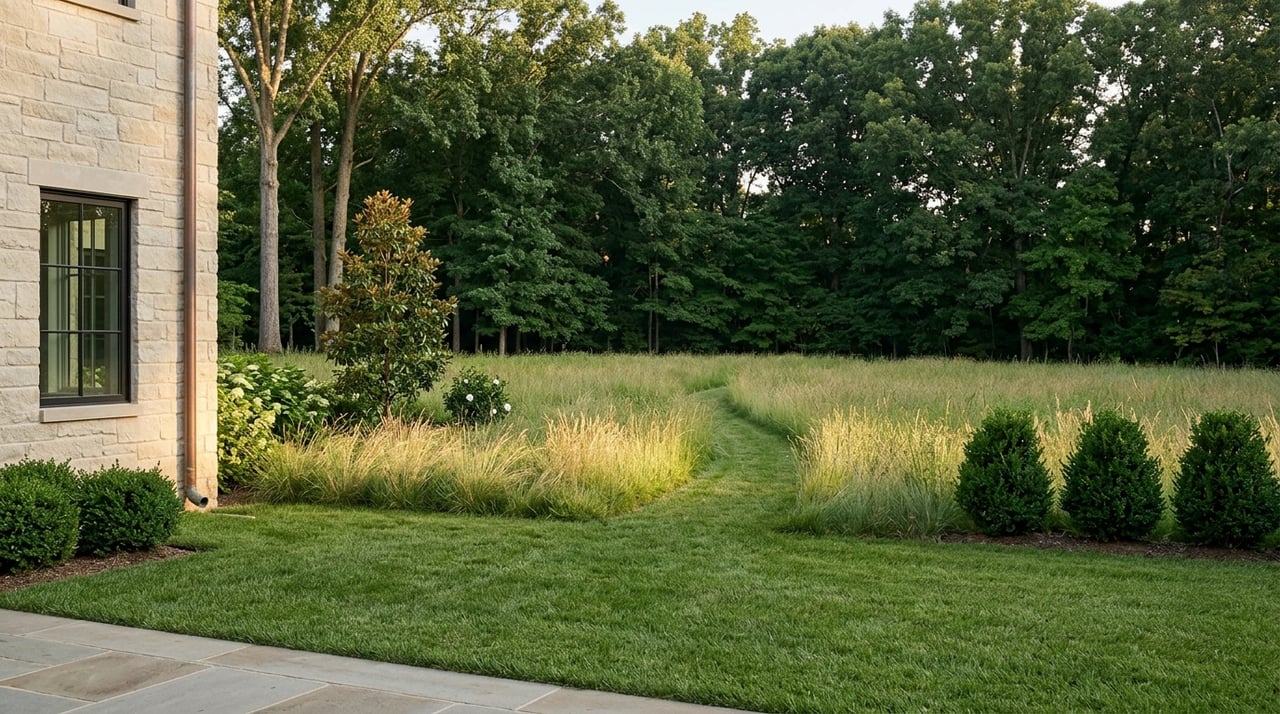
If you want room to breathe without giving up daily convenience, Milton stands out for a reason. This is a place where privacy often comes from acreage, trees, and thoughtful land patterns rather than feeling far removed from everything you need. If you are considering a move to Milton or preparing to sell a property there, understanding how space, pasture land, and low-density planning shape the market can help you make a smarter decision. Let’s dive in.
Why Milton Feels Different
Milton describes itself as rural but not remote, and that phrase captures the market well. The city is home to more than 41,000 people and sits near Alpharetta, Roswell, Forsyth County, and Cherokee County, so you are still connected to North Fulton conveniences and the broader Atlanta area.
What makes Milton distinct is how intentionally it has preserved a more open setting. City materials note that more than 90% of land within Milton is low- or very low-density residential, which helps explain why the area often feels greener, quieter, and more spacious than many nearby suburban markets.
For buyers, that can mean a lifestyle shaped by distance between homes, long views, and a greater sense of separation. For sellers, it means the setting itself is often part of the value story.
Space and Privacy in Milton
In Milton, privacy is not just about fences or gates. It is often created by lot size, tree cover, setbacks from the road, and the broader rhythm of the landscape.
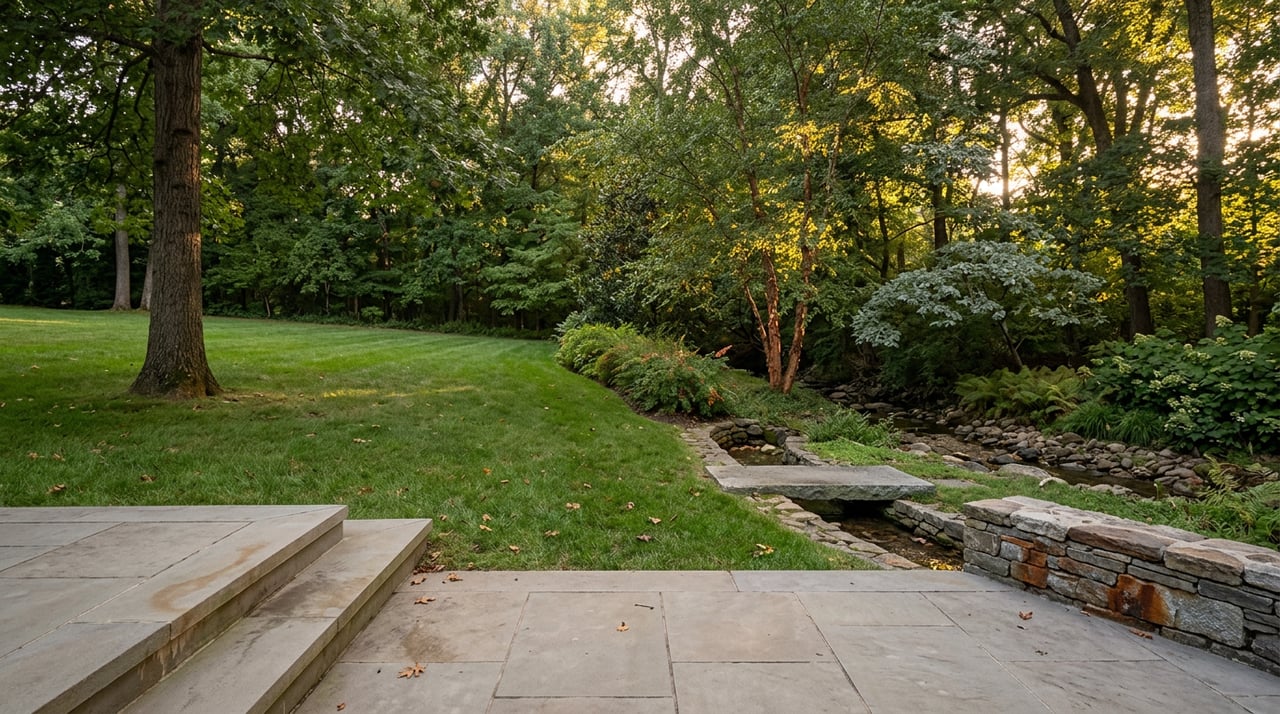
The city identifies properties of 3 acres or more as large lots, and it describes these parcels with features like open lawns, pasture areas, and tree-lined road frontage. That matters because privacy here is often visual as much as physical. You may have room for a long driveway, a wooded buffer, or open land between the home and the street.
This pattern also shapes the experience of driving through Milton. Instead of a tightly packed streetscape, you often see homes set back from the road, mature trees, and open fields that create a calmer, more estate-oriented feel.
Why Pasture Land Matters
Pasture land is one of the clearest parts of Milton’s identity. The city has reported more than 200 active horse farms, and those farms are spread throughout the city rather than clustered into just one area.
That detail says a lot about the local character. Equestrian use and open pasture are not side notes in Milton. They are woven into the look and function of the community.
Even if you are not shopping for a horse property, pasture land still matters to your experience of the market. Open fields, broad lawns, and agricultural or equestrian land uses help preserve the sense of space that many buyers are seeking in Milton.
How Local Planning Supports Open Land
Milton’s land use policies help explain why the city still feels so open. The city has long tied its planning to the preservation of rural character, and that shows up in both zoning and overlay policies.
For example, Milton’s Residential 1 district is intended for low-density single-family residential and agricultural uses on medium-sized lots, with a 2-acre minimum lot size. The Rural Milton Overlay was also created to preserve historic rural areas and scenic surroundings.
These policies do not mean every part of Milton looks the same. They do suggest, however, that large lots and a lower-density development pattern are not accidental. They are part of how the city is designed.
Trees, Buffers, and Rural Character
Trees play a major role in how privacy is created in Milton. The city approved its Tree Canopy Conservation Ordinance in 2020, and city coverage of that effort said the goal was to balance tree canopy with the importance of open fields, pasture, and farmland.
That balance is important. Too much density can change the feel of a place quickly, but so can the loss of mature trees or open land. Milton’s approach recognizes that both wooded buffers and open pasture contribute to the area’s visual identity.
For homeowners, this often translates into a setting that feels more established and more secluded. For buyers comparing properties, the natural landscape can be just as meaningful as square footage.
What Buyers Can Expect in Milton
If you are searching for space and privacy in Milton, it helps to know what that usually looks like in practice. The market often leans toward estate-style single-family homes, larger homesites, and a setting designed around land rather than density.
You may notice features such as:
- Long driveways and deeper setbacks from the road
- Wooded edges or tree-lined frontage
- Open lawns and pasture-adjacent views
- Homesites with more separation from neighbors
- A stronger emphasis on outdoor space and land stewardship
The appeal is not just size for the sake of size. In Milton, land often shapes the entire living experience, from morning views to the sense of calm you feel when arriving home.
Milton Is Quiet, Not Isolated
One of Milton’s strongest advantages is that privacy does not have to mean disconnection. City materials consistently frame Milton as a place that balances rural lifestyle with access to urban amenities.
That is a key point for many luxury buyers. You can enjoy a greener, more spacious environment while still remaining near the commercial and service hubs that support daily life.
Crabapple serves as a major community anchor and growing mixed-use area. Deerfield is described as the city’s chief commercial driver, and Highway 9 is the backbone of the main commercial area. Together, those areas help support a lifestyle that feels more private at home without requiring you to be remote.
The Daily Rhythm of Life in Milton
Milton’s official materials point to a lifestyle centered on outdoor space, scenic roads, equestrian activity, and recreation. The city’s parks and recreation offerings include parks with fields, playgrounds, trails, and programming, while broader planning efforts continue to connect Milton’s identity to woodlands, streams, and open spaces.
That creates a different daily rhythm than you might find in a denser suburban setting. The appeal is often tied to driving through tree-lined roads, managing larger grounds, spending time outdoors, or simply enjoying a quieter visual environment.
For some buyers, that is the whole point. Milton offers breathing room while staying close to Alpharetta and the wider North Fulton market.
What Sellers Should Highlight
If you are selling a home in Milton, the conversation should go beyond bedrooms and finishes. In this market, privacy and land are often part of the core value proposition.
That means buyers may respond to details such as how the home sits on the lot, the relationship between wooded areas and open lawn, whether there are pasture views, and how the approach from the road feels. The setting is not background. It is part of the asset.
For higher-end properties especially, thoughtful positioning matters. A home with acreage, mature trees, and a strong sense of separation may need to be presented not simply as a residence, but as a lifestyle property shaped by land, privacy, and long-term desirability.
Why Milton Appeals to Luxury Buyers
Milton fits naturally into the conversation for buyers seeking luxury with more land. In a region where some luxury markets emphasize convenience and density, Milton offers a different kind of value.
Here, luxury often includes space between homes, a quieter visual landscape, and a stronger connection to open land. For some buyers, that combination feels more enduring because it is tied to setting as much as structure.
That is also why market knowledge matters. Not every large property offers the same level of privacy, usability, or long-term appeal. Understanding how zoning, road patterns, tree cover, and surrounding land uses work together can help you assess a property more clearly.
Reading Milton Property Through a Strategic Lens
Whether you are buying or selling, it helps to think beyond the surface. Two homes may have similar square footage, but the one with better siting, stronger buffers, and a more protected sense of openness can deliver a very different experience.
In Milton, strategic evaluation often starts with questions like these:
- How much of the privacy comes from acreage versus landscaping?
- Is the lot open, wooded, or a mix of both?
- How does the home relate to the road and neighboring parcels?
- Does the surrounding area reinforce a low-density feel?
- Is the setting aligned with the rural character that draws buyers to Milton?
Those are the details that shape both livability and market positioning. In a place where land is part of the story, nuance matters.
If you are considering a move to Milton or preparing to position a distinctive property for sale, the right guidance can help you see beyond the listing sheet. For a market where privacy, acreage, and presentation all matter, Debra Johnston offers the strategic insight and discretion that high-value properties deserve.
FAQs
What makes Milton feel private compared to nearby areas?
- Milton’s sense of privacy often comes from low-density land use, larger lots, tree cover, deeper setbacks, and open pasture or lawn areas rather than isolation from nearby cities.
Are large lots common in Milton, Georgia?
- Yes. Milton identifies properties of 3 acres or more as large lots, and city planning materials consistently emphasize large-lot patterns and low-density residential character.
Does Milton, GA have horse properties and pasture land?
- Yes. Milton has reported more than 200 active horse farms, and the city describes equestrian uses, horse farms, and pasture land as an important part of its identity.
Is Milton rural or suburban for homebuyers?
- Milton is best understood as rural in character but close to suburban conveniences, with access to areas like Crabapple, Deerfield, Highway 9, Alpharetta, and the broader North Fulton market.
What should sellers emphasize about a Milton property?
- Sellers should highlight lot size, privacy, tree coverage, setbacks, open land, pasture views, and the overall setting, since these features are often central to buyer interest in Milton.
What kind of housing pattern is common in Milton?
- Milton commonly features low-density single-family homes, estate-style properties, larger homesites, and land-oriented settings shaped by rural preservation policies.