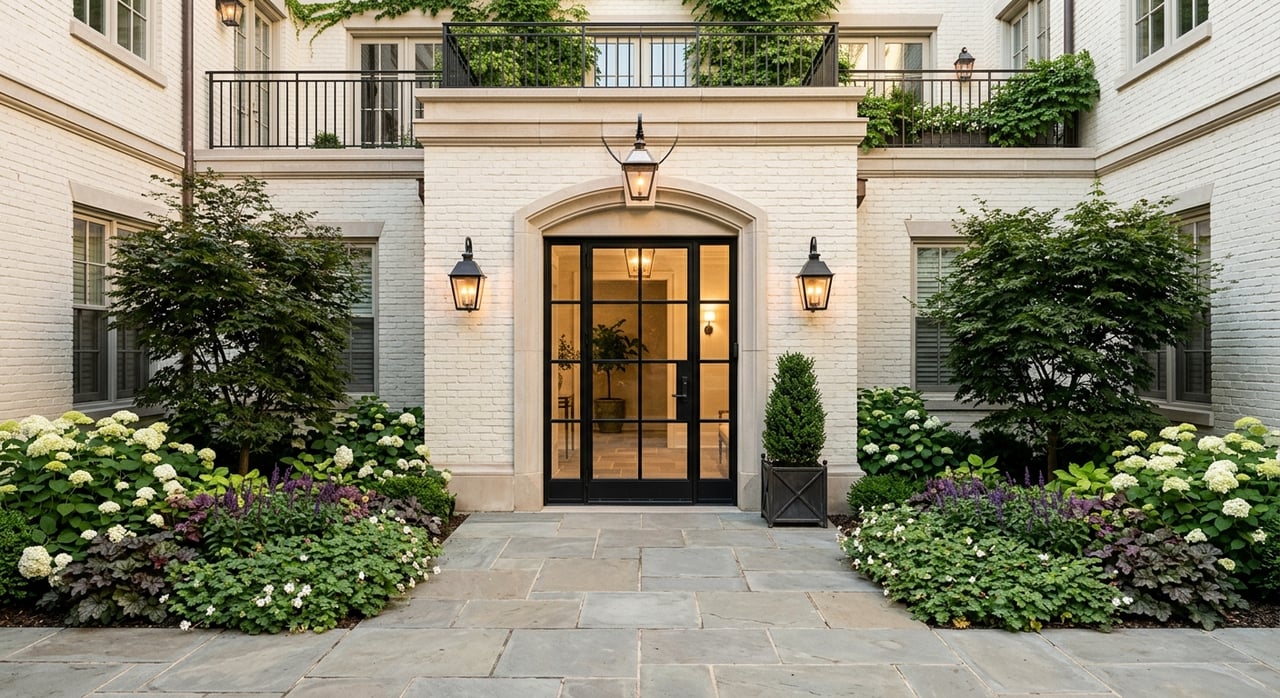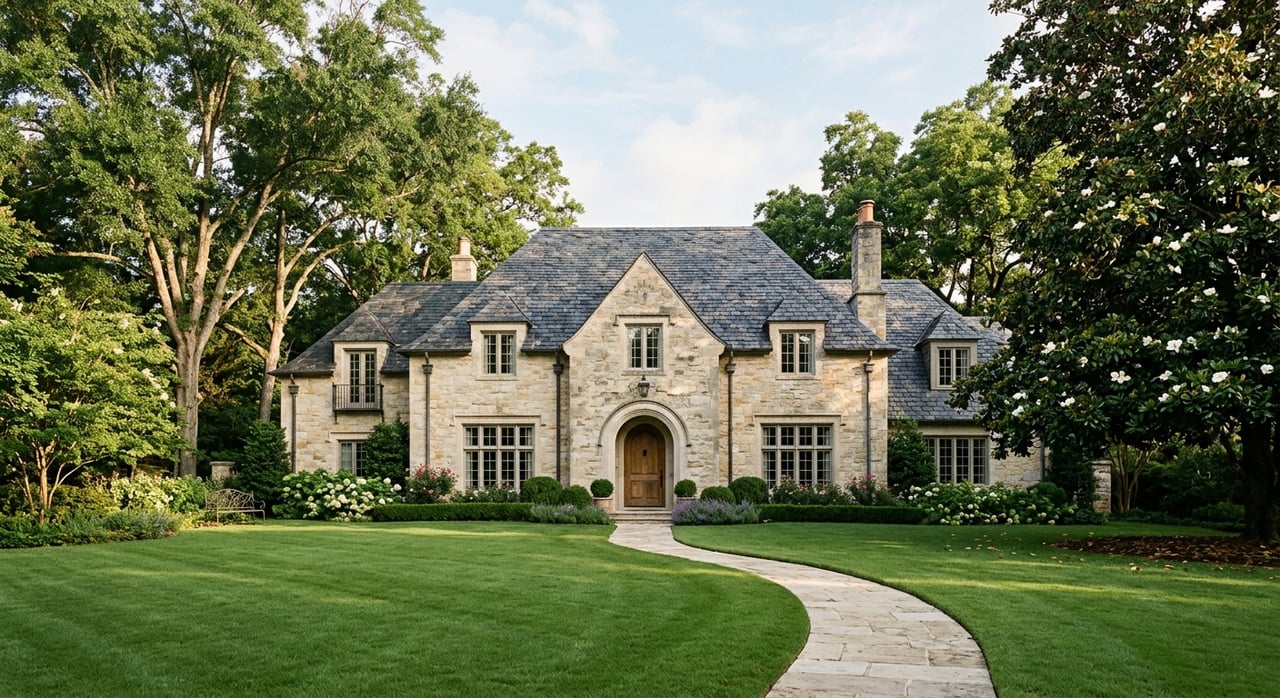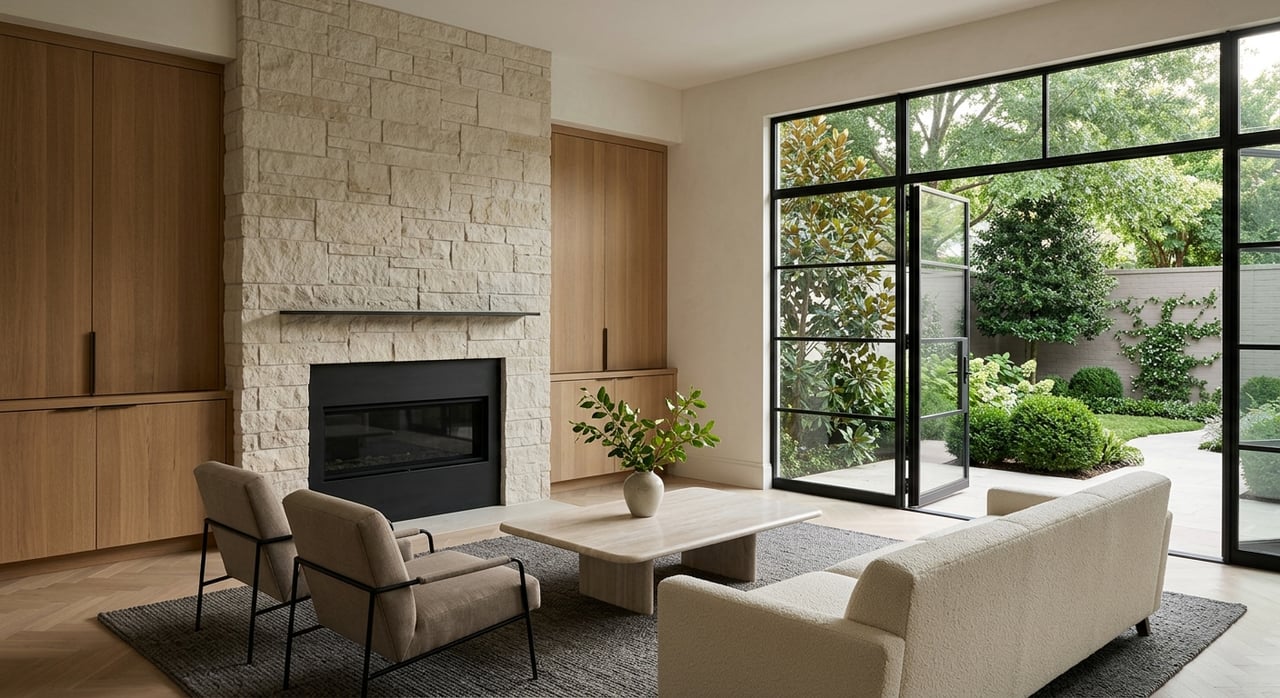
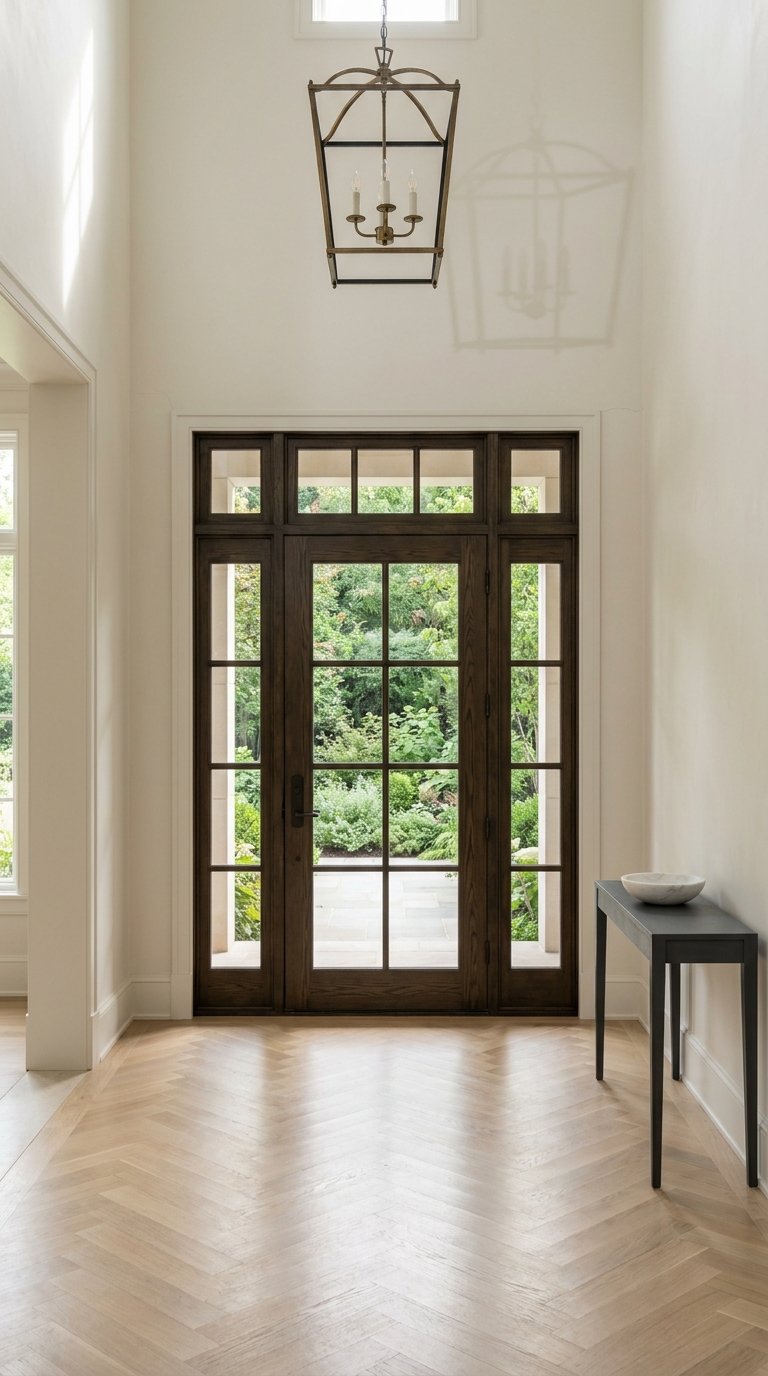
What makes a neighborhood feel timeless rather than simply expensive? In Tuxedo Park, the answer starts with the land itself: deep setbacks, winding roads, mature trees, and homes placed to feel private, composed, and connected to the landscape. If you are drawn to legacy properties in Buckhead, understanding what sets Tuxedo Park apart can help you buy or sell with more clarity. Let’s dive in.
Why Tuxedo Park Feels Different
Tuxedo Park is unique neighborhood surrounding the Governors Mansion in Buckhead. Its identity grew from large country estates along West Paces Ferry Road and took clearer shape in 1911, when Charles H. Black, Sr. created one of Atlanta’s first automobile-oriented suburban subdivisions.
From the beginning, the area was planned around large, deep lots and curving streets. Homes were set well back from the road, which helped create the quiet, park-like feeling the neighborhood still carries today.
That original planning remains central to how Tuxedo Park is understood. Georgia’s historic nomination summary describes it as an early automobile-dependent residential community shaped by woodland terrain, winding creeks, large lots, and consistent deep setbacks designed to preserve a country-retreat setting.
In 2023, Atlanta’s SPI-25 ordinance reinforced that same idea in zoning language. The rules focus on preserving landscaping, spatial relationships, and the open, estate-style pattern that defines the neighborhood.
Historic Recognition Matters Here
Tuxedo Park was added to the National Register of Historic Places on February 24, 2025. The listed district is roughly bounded by West Paces Ferry Road, Northside Drive, Broadland Road, Pineland Road, King Road, Tuxedo Road, Blackland Road and Drive, and Valley Road.
That recognition matters because it confirms what buyers and sellers have long understood. Tuxedo Park is valued not only for individual houses, but for the broader composition of roads, lots, landscape, and architecture.
The district spans about 822 acres and contains just over 500 buildings. Sources differ slightly on the final build-out date, but they agree that the neighborhood evolved over several decades rather than appearing all at once.
Architecture With Range And Pedigree
One reason Tuxedo Park continues to stand out is its architectural depth. The neighborhood includes a broad mix of Revival-era homes and later residences in Colonial Revival, French Vernacular, International, Neoclassical Revival, Frank Lloyd Wright-inspired, and Rustic styles.
The architect roster is equally notable. Atlanta Preservation’s nomination summary identifies influential firms and designers associated with the district, including Frazier & Bodin, Cooper & Cooper, Hentz, Reid & Adler, Ivey & Crook, Pringle & Smith, James Owen Southwell, Philip Trammell Shutze, Thomas G. Little, Sr., and André Steiner.
For a design-conscious buyer, that range is a real advantage. It means Tuxedo Park is not defined by a single look, but by a consistently high level of siting, craftsmanship, and architectural intent.
The Landscape Is Part Of The Design
In Tuxedo Park, the grounds matter almost as much as the house. Historic materials describe the neighborhood as a wooded estate landscape shaped by rolling hills, perennial streams, mature trees, and carefully planned gardens.
That setting is not just visual backdrop. It is part of the neighborhood’s value and part of what gives many properties their sense of privacy, calm, and arrival.
What Buyers Should Really Evaluate
If you are considering a home in Tuxedo Park, square footage tells only part of the story. In this market, the lot itself can be just as important as the residence built on it.
A thoughtful evaluation should start with how the parcel functions within the historic pattern of the neighborhood. A property may be beautiful inside, but if the lot has been altered in a way that weakens setback, canopy, or spatial balance, it may feel less aligned with Tuxedo Park’s original logic.
Look Beyond Interior Finishes
In many neighborhoods, buyers focus first on kitchens, baths, and recent renovations. In Tuxedo Park, you should also pay close attention to lot depth, house placement, tree canopy, and how the property reads from the street.
Georgia’s nomination summary notes that the largest lots are generally found along Tuxedo Road and Valley Road, which were among the first streets created. Later sections often have smaller parcels, even when they maintain similar frontage-to-depth proportions and setbacks.
That means two homes with similar finishes may offer very different long-term value. One may sit on a deeper, more private, more original parcel that better preserves the estate character buyers come here to find.
Key Questions To Ask Before You Buy
Here are a few smart questions to keep in mind:
- Is the property on an original platted lot or a later infill site?
- How much of the value comes from the land, not just the house?
- Does the home respect the neighborhood’s established setback pattern?
- How private is the property from the street?
- Could planned exterior changes require preservation review?
These questions can help you see the property as a complete asset rather than simply a finished home.
Why Lot Logic Shapes Value
Tuxedo Park is a neighborhood where land plan and architecture work together. The value proposition often comes from three connected elements: depth, placement, and landscape.
Lot Depth And Street Presence
Deeper lots usually support the estate feel buyers expect here. They create longer approaches, more separation from the road, and a stronger sense of enclosure within the landscape.
House Placement And Setbacks
A house that sits comfortably within the established setback pattern often feels more authentic to the neighborhood. That placement can affect everything from curb presence to privacy to how the home relates to neighboring properties.
Tree Canopy And View Corridors
The wooded topography is a core part of Tuxedo Park’s appeal. Mature trees, rolling land, and preserved view lines are not extras. They are central to how many buyers judge quality in the neighborhood.
The Role Of Local Regulation
In a place with this much historic and landscape character, local rules matter. Atlanta’s SPI-25 ordinance states that the district is intended to preserve existing landscaping and spatial relationships, and that new lots should reinforce the historic pattern of long rectangular parcels and deep setbacks.
The ordinance also says new subdivisions may not create new public streets. It further requires new lots to stay within neighborhood width and depth patterns, with lot depth at least twice the lot width and front-yard setbacks tied to lot depth.
For a buyer, this matters because future changes to a property may not be as simple as they would be elsewhere. For a seller, it matters because the characteristics protected by these rules may also be part of what makes your property especially valuable.
Check Designation Early
The City of Atlanta’s preservation office advises buyers to confirm zoning and historic-preservation designation through the city’s GIS Property Info map. It also advises checking Chapter 20 of the city code to see whether a Certificate of Appropriateness or other review may be required for exterior work.
If you are considering a renovation, guest house update, landscape change, or exterior addition, it is wise to understand that framework early. In a neighborhood like Tuxedo Park, due diligence is part of buying well.
A Market Defined By Scarcity
Tuxedo Park operates in a rarefied segment of the Buckhead market. Realtor.com’s current neighborhood data reports a median home price of $4,299,000, with 7 homes for sale and an average of 75 days on market.
That snapshot points to a high price point and limited supply. It also highlights why neighborhood-level knowledge matters so much in Buckhead.
For context, nearby South Tuxedo Park shows a much lower median home price of $882,000, with 8 homes for sale. Even within a short distance, micro-neighborhood differences in lot character, pricing, and buyer expectations can be substantial.
What Classic Atlanta Living Means Here
In Tuxedo Park, classic Atlanta living is not just about a prestigious address. It is about a particular balance of architecture, land, privacy, and permanence.
The neighborhood’s appeal comes from the way houses sit within the terrain, the way mature landscaping shapes the experience of arrival, and the way decades of development created architectural variety without losing overall coherence. That is why Tuxedo Park often feels less like a conventional residential area and more like a legacy-property market.
For buyers, that means looking past surface-level finishes and understanding the deeper structure of value. For sellers, it means recognizing that the right positioning should reflect not only your home’s features, but also its lot, siting, design pedigree, and place within one of Buckhead’s most established estate settings.
If you are considering buying or selling in Tuxedo Park, working with an advisor who understands architecture, land value, and discreet luxury positioning can make a meaningful difference. To discuss your goals, connect with Debra Johnston.
FAQs
What makes Tuxedo Park different from other Buckhead neighborhoods?
- Tuxedo Park stands out for its early 1911 planning, deep lots, curving streets, mature landscape, and estate-style setbacks that create a park-like setting rather than a conventional subdivision feel.
- Residential streets that open to Chastain Park and great restaurants and shopping just minutes away, create a feeling of community.
What should buyers evaluate in a Tuxedo Park property?
- Buyers should look at lot depth, house placement, privacy from the street, tree canopy, whether the parcel is original or later infill, and whether future exterior changes may require city review.
What is the current home price picture in Tuxedo Park?
- Realtor.com currently reports a median home price of $4,299,000 in Tuxedo Park, with 7 homes for sale and an average of 75 days on market.
- Some of the largest sales are quietly happen in Tuxedo Park and many of the sales experiencing multiple offers in 2026.
- Long term home values continue to rise in this neighborhood.
What does historic designation mean for Tuxedo Park homeowners?
- Because Tuxedo Park is listed on the National Register of Historic Places and is affected by local preservation and zoning rules, some exterior work may require additional review depending on the property and scope of changes.
Why do lots matter so much in Tuxedo Park real estate?
- In Tuxedo Park, lot depth, setbacks, landscape, and spatial separation are major parts of the neighborhood’s identity, so the land itself often plays a large role in both experience and value.